
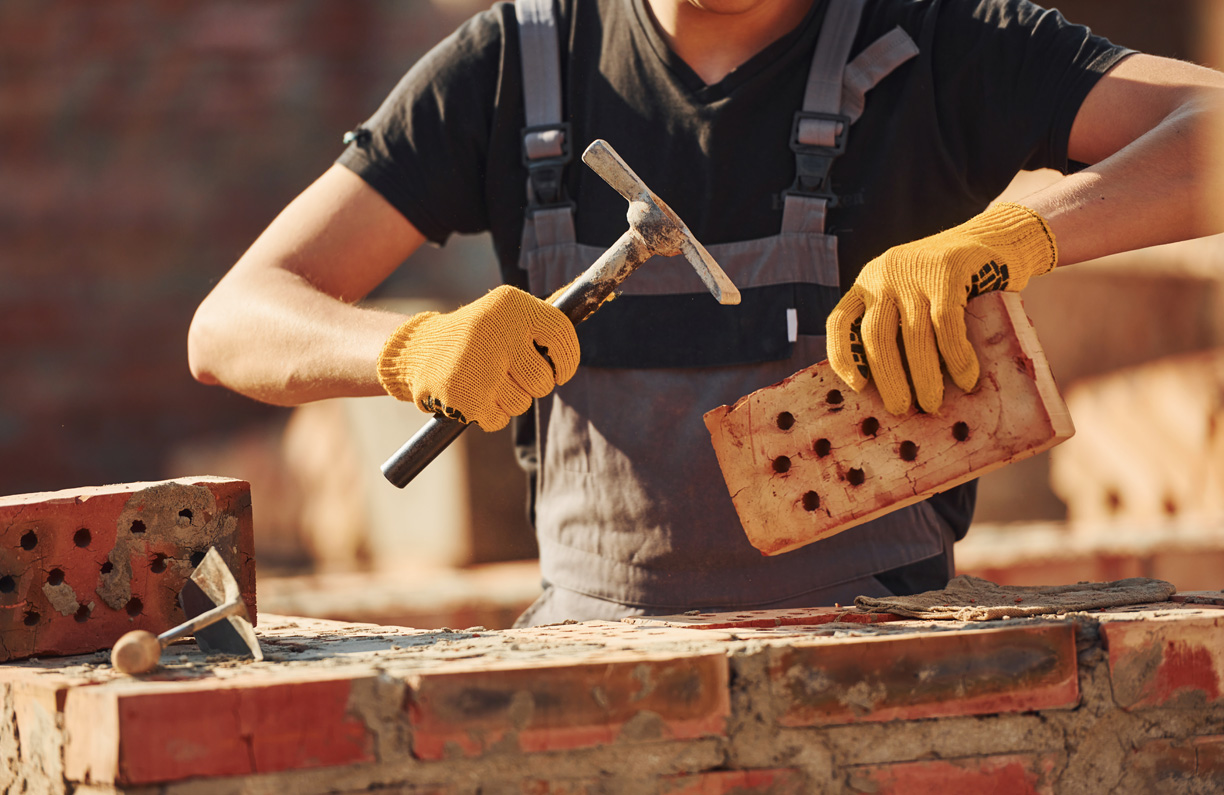
Masonry work is one of the most physically demanding trades in construction. From lifting heavy blocks and mixing mortar to bending, twisting, and working overhead, the constant strain can take a toll on the body. For licensed masonry contractors, protecting your team from musculoskeletal injuries can help ensure safety, productivity, cost savings, and long-term career health.
At BrightFund, we’ve supported Florida trade contractors since 1955 with workers compensation programs designed for the unique risks of the job. One of the most common injury categories we see in masonry is related to ergonomics like strains, sprains, and repetitive motion injuries. By adopting proper tools, techniques, and scheduling practices, contractors can reduce these risks significantly.
Why Ergonomics Matter in Masonry
According to the Bureau of Labor Statistics (BLS), over 30% of workplace injuries in construction are related to musculoskeletal disorders such as back strains, tendonitis, and joint injuries. For masonry professionals, who handle repetitive lifting and awkward postures daily, the risk is even higher.
The consequences go beyond medical costs. Ergonomic injuries can result in:
- Lost workdays and project delays
- Higher workers compensation claims
- Reduced crew productivity
- Long-term health impacts for skilled tradespeople
Investing in masonry ergonomics isn’t just compliance, it’s a strategy for keeping your workforce healthy and your projects on track.
Tools That Help Prevent Strains
The right equipment can greatly reduce physical stress on masonry crews:
- Block and brick lifters: Tools designed for gripping and carrying reduce finger and wrist strain.
- Scaffold hoists and lifts: Mechanical aids for lifting blocks or mortar buckets cut down on back injuries.
- Ergonomic trowels and hammers: Lightweight, cushioned-handle tools help reduce repetitive motion strain.
- Mixing equipment: Using powered mortar mixers instead of manual mixing helps protect shoulders and lower backs.
Outfitting your crew with ergonomic tools is an upfront investment that pays off in fewer injuries and stronger productivity.
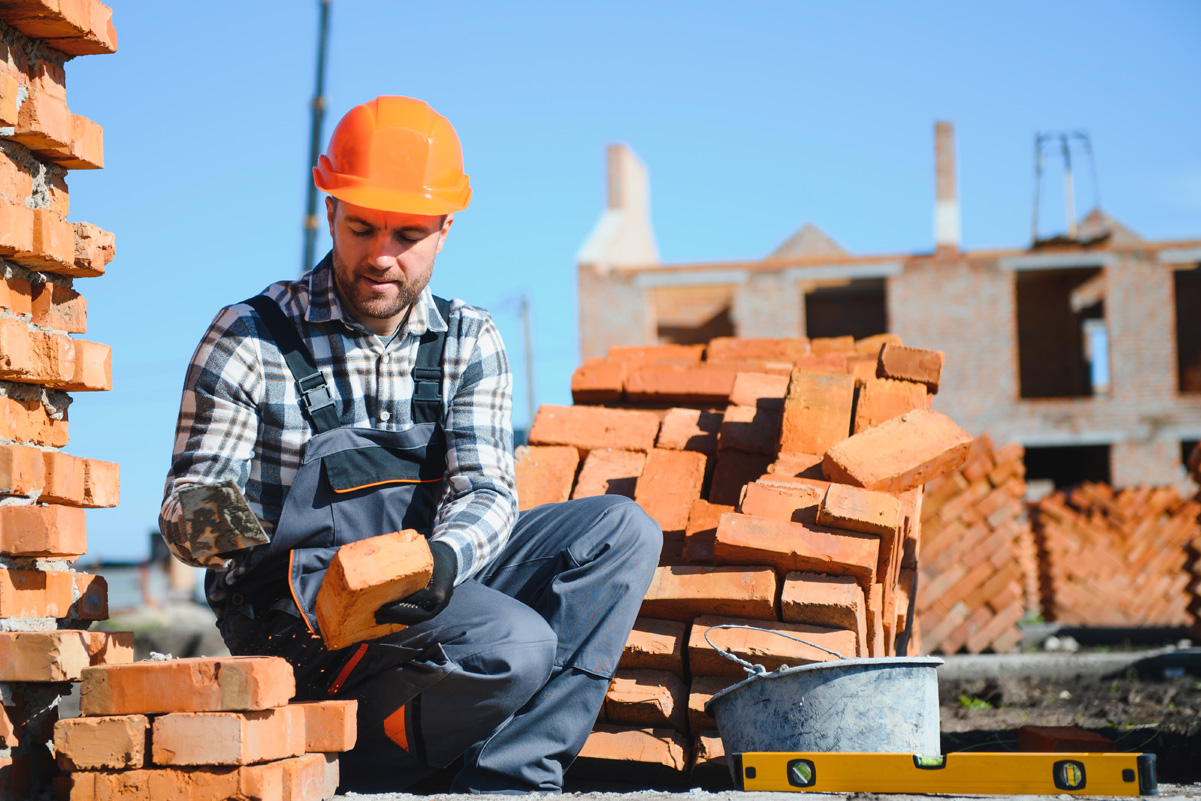
Smart Lifting Strategies for Masonry Contractors
Heavy lifting is unavoidable in masonry work, but how it’s done can make all the difference. Contractors should encourage teams to:
- Lift with the legs, not the back. Keeping loads close to the body reduces stress on the spine.
- Work in pairs. For blocks over 50 pounds, team lifts can prevent injury.
- Use staging areas. Organizing materials at waist height avoids repetitive bending.
- Rotate tasks. Switching between lifting, laying, and finishing tasks gives muscle groups a rest.
Training employees in safe lifting practices should be an ongoing effort, not just a one-time orientation.
Scheduling to Reduce Repetitive Motion Injuries
Long hours of repetitive movements increase injury risk. Simple adjustments to scheduling and workflow can protect crews:
- Incorporate rest breaks. Short breaks every 2–3 hours help prevent overuse.
- Stagger high-strain tasks. Avoid assigning a worker to continuous lifting or overhead work for an entire shift.
- Plan material deliveries. Having materials staged in the right location reduces unnecessary handling.
- Use weather-smart scheduling. In Florida’s heat, hydration breaks and earlier start times reduce fatigue that contributes to injuries.
When project managers build ergonomics into the schedule, crews work more efficiently and with fewer injuries.
Final Thoughts
Masonry contractors face unique ergonomic challenges, but with the right tools, lifting strategies, and scheduling practices, strains and repetitive injuries can be significantly reduced. By making ergonomics part of everyday operations, contractors protect their crews, control costs, and ensure long careers for skilled workers.
BrightFund is here to support Florida’s licensed trade contractors with the resources, coverage, and community needed to build stronger, safer worksites.