
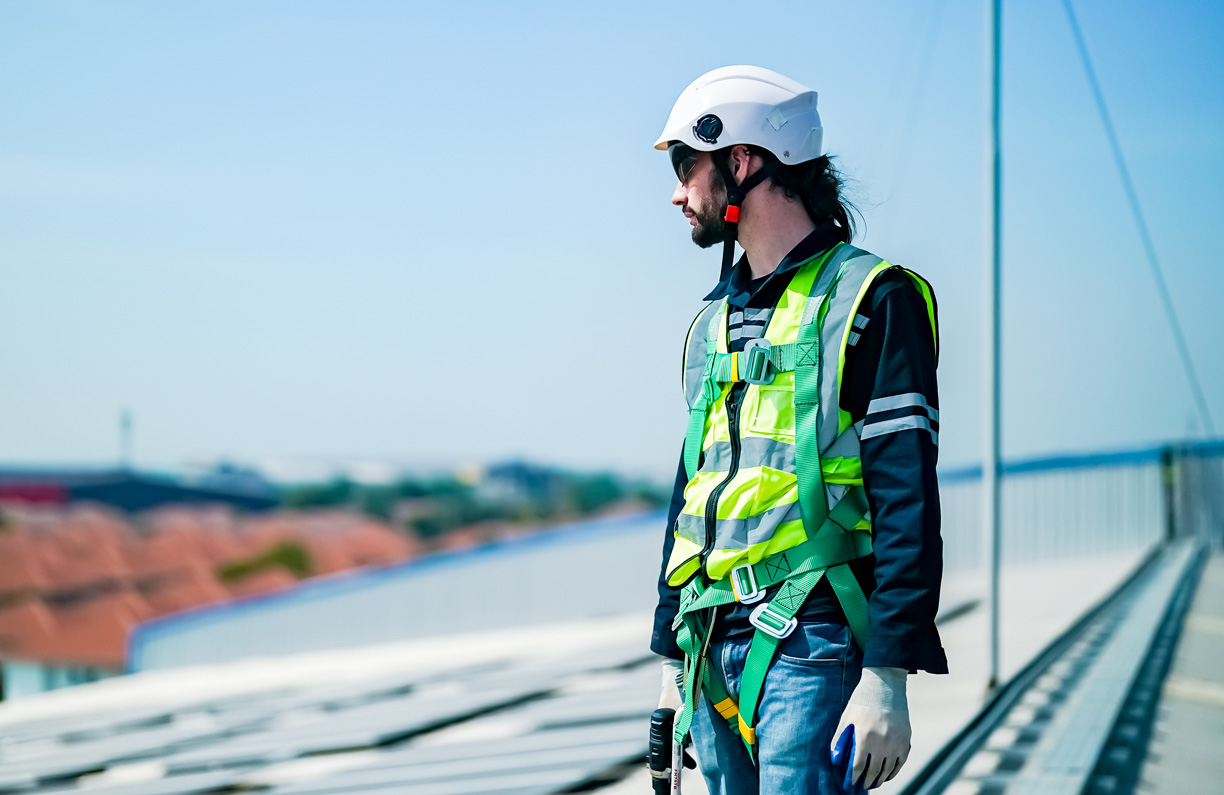
January is always a reset point for Florida contractors. Crews return from the holidays, projects gear up, and safety programs get a fresh look before the busy season hits. Over the past few years, one trend has moved from “interesting idea” to real jobsite value: wearable safety tech.
Tools like posture trackers, sensor-equipped vests, and real-time motion monitors are becoming part of risk management strategies across construction, roofing, electrical, HVAC, and plumbing. And for good reason. These small devices can help reduce injuries, strengthen training, and support safer long-term habits for the people who keep your business running.
Let’s break down how wearables actually work, why they matter, and how they fit into a smarter risk management plan for 2026.
How Wearable Safety Tech Works
Modern wearable safety tech construction tools use sensors to track movement, posture, vibration, temperature, and proximity to hazards. Depending on the device, your crew might wear:
- Lightweight posture trackers clipped to clothing
- Smart vests or harnesses with impact sensors
- Wrist or arm bands that monitor repetitive motion
- Helmet sensors that detect slips, trips, or falls
Real-time feedback lets workers know when a lift is unsafe or when fatigue might be setting in. Supervisors can view patterns over time to spot problem areas before they turn into injuries.
The goal isn’t surveillance. It’s prevention. By identifying risky movements early, contractors can make small adjustments that reduce strain and improve ergonomics on the jobsite.
Why Wearables Strengthen Risk Management
In high-risk fields like roofing, electrical work, or heavy HVAC installs, even small posture or balance issues can create major injuries. Risk management wearables help contractors:
1. Reduce strains, sprains, and repetitive-motion injuries
The CDC notes that musculoskeletal injuries are among the most common causes of lost workdays in construction. Wearables help workers adjust how they lift or move to avoid long-term issues.
2. Improve training and onboarding
New employees often struggle with safe lifting mechanics or ladder posture. Wearables give instant coaching so habits form faster.
3. Identify patterns before they become claims
Data helps supervisors understand which tasks cause the most stress on the body, which times of day see the most fatigue, and where extra support is needed.
4. Strengthen safety documentation
Objective data can support safety meetings, job hazard analyses, or corrective action plans.
5. Potentially reduce premiums over time
Strong injury prevention programs can improve your loss history, which has long-term effects on workers compensation costs.
For member-owned funds like BrightFund, fewer injuries also mean better outcomes and the potential for stronger dividends in the future.
What Contractors Are Seeing on the Ground
Contractors who have adopted wearable safety technology are already seeing meaningful changes on the jobsite. Studies across the construction industry report that wearables can reduce ergonomic-related injuries by as much as 30%, especially in trades that rely heavily on repetitive motion or heavy lifting. Crews who use posture trackers and motion sensors tend to become more aware of how they move throughout the day. That awareness leads to better form, fewer strained backs, and fewer muscle-related claims.
Contractors are also noticing a shift in how their teams engage with safety overall. Wearables give workers instant feedback, which helps turn safety from a once-a-week toolbox talk into something people pay attention to in real time. Over a few weeks, those micro-adjustments add up to stronger habits and a more proactive safety culture.
Another emerging benefit is faster recovery when an injury does occur. When employees understand their posture patterns and know how to correct them, they tend to return to work sooner and with fewer reinjury concerns. This reduces downtime and keeps projects moving without sacrificing worker well-being.
It’s important to remember that wearable tech isn’t meant to replace established safety practices. Instead, it works alongside training, PPE, job hazard analysis, and every other system contractors already use. Think of wearables as an added layer of support, helping crews work smarter while strengthening the foundation of your existing safety program.

How Wearables Fit Into Your 2026 Safety Plan
January is a great time to evaluate which parts of your safety program could use an upgrade. Start with a pilot program:
- Select one trade or crew for initial testing
- Choose a specific risk area, like lifting or ladder posture
- Implement wearables for 30 to 60 days
- Review injury trends, productivity feedback, and worker comfort
- Decide whether scaling makes sense
BrightFund members have access to tailored safety resources, jobsite audits, and support from a team that understands the real challenges tradespeople face every day. Wearables can fit into this ecosystem to strengthen your culture of prevention.
Technology doesn’t have to be complicated to make a difference. Wearable safety tools give Florida contractors a clearer picture of real jobsite risks and help crews work smarter, safer, and more efficiently.
If you’re looking to enhance your safety program in 2026, improve risk management, and create a healthier jobsite, wearables are one of the most promising tools available today.